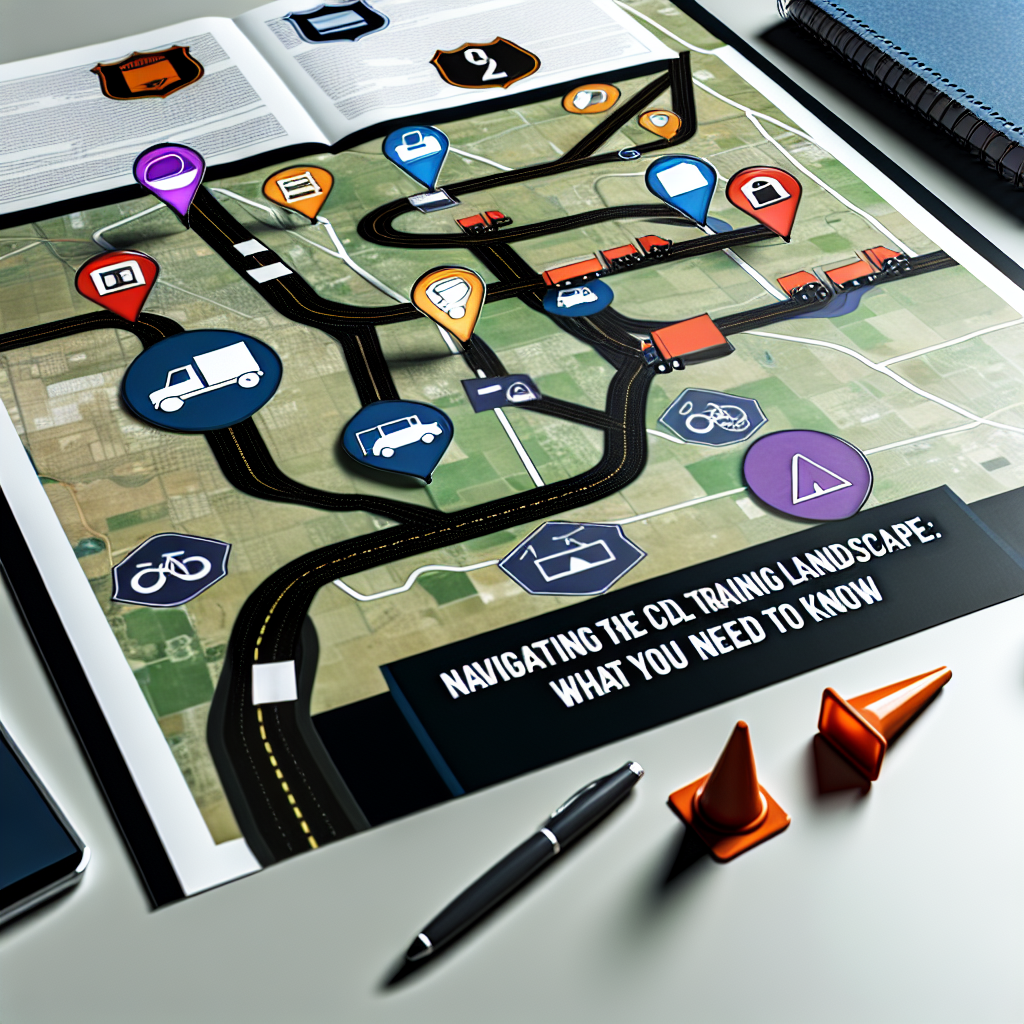
Navigating the CDL Training Landscape: What You Need to Know
The trucking industry is a vital component of the U.S. economy, responsible for transporting over 70% of goods across the nation. As demand for truck drivers continues to rise, the landscape for Commercial Driver’s License (CDL) training is evolving. Whether you’re a new driver entering the field or an experienced trucker looking to enhance your skills, understanding the current CDL training landscape is critical for success.
The Importance of CDL Training
Obtaining a CDL is a crucial step for anyone looking to drive commercial vehicles. This license not only validates a driver’s skill set but also ensures adherence to safety regulations that protect both the driver and the public. Effective training programs provide new drivers with the knowledge needed to navigate complex road conditions, equipment handling, and regulatory compliance.
For New Drivers: Starting Right
For those just stepping into the trucking world, choosing the right CDL training program is vital. Here are some key considerations:
- Select Accredited Programs: Ensure the training program is accredited and recognized by the Federal Motor Carrier Safety Administration (FMCSA). Programs that meet federal and state standards will best prepare you for the demands of the industry.
- Hands-on Experience: Opt for programs that emphasize on-the-road training. Practical experience is invaluable; it equips you with real-world skills that can only be learned behind the wheel.
- Exam Preparation: Look for programs that offer comprehensive support for the written and driving tests. A thorough understanding of the regulations and practices covered in these exams is essential for licensure.
Job Placement Opportunities: Many training programs have partnerships with trucking companies that help facilitate job placements post-training. Investigate these opportunities before making a decision.
For Experienced Truckers: Upskilling and Specialization
For seasoned drivers, the CDL training landscape offers avenues for upskilling and specialization:
- Endorsements and Special Licenses: Consider obtaining endorsements for transporting specific cargo types (hazmat, double/triple trailers, etc.). This can open up new job opportunities and higher pay.
Technology Training: As the industry evolves, technology plays a bigger role in trucking. Training on navigation systems, electronic logging devices (ELDs), and other innovations can enhance your workforce readiness.
Safety Certifications: Participating in advanced safety programs can not only improve your skills but also make you more attractive to employers looking for highly qualified truckers.
The Changing Face of the Industry
The trucking industry is currently experiencing a transformative shift, marked by changes in regulations, technology, and the workforce. One significant development is the recent removal of foreign truck drivers, amplifying the need for domestic talent.
While this change aims to bolster job opportunities for U.S. drivers, it also highlights the importance of robust training programs. It’s crucial to ensure that new domestic drivers meet the rigorous standards required in an industry that cannot afford lapses in safety or professionalism.
Embracing Opportunities in a Competitive Market
The removal of foreign drivers presents more job opportunities for domestic CDL holders. With fewer drivers on the road, companies are increasingly open to hiring new entrants into the profession, provided they come from well-structured training programs.
For both new and experienced drivers, embracing ongoing education and adapting to industry changes is paramount. The trucking industry values skills and safety above all, and maintaining a commitment to professional growth can set you apart in a competitive job market.
Conclusion
Navigating the CDL training landscape is essential for anyone wanting to thrive in the trucking industry. Whether you’re new to the field or an experienced driver seeking to enhance your qualifications, understanding the training options available can make a significant difference in your career trajectory. With current changes in immigration policies affecting the driver pool, U.S. drivers are presented with unique opportunities to fill critical gaps. By investing in quality training and remaining adaptable, you can position yourself for success in an ever-evolving industry.
The pathway to a rewarding career in trucking begins with the right training—don’t underestimate its value.
#Navigating #CDL #Training #Landscape