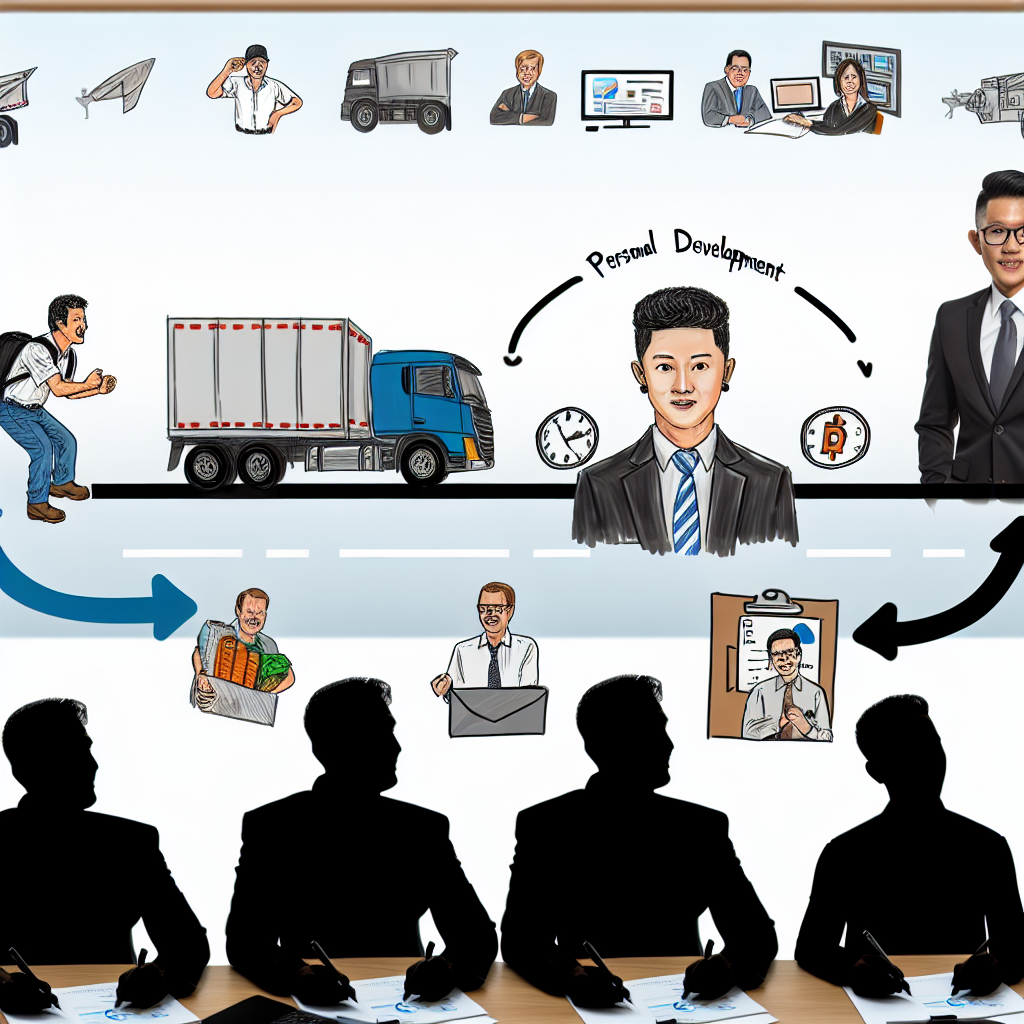
From Driver to CEO: How Trucking Can Propel Your Career Ladder
The trucking industry has long been the backbone of the American economy, responsible for transporting over 70% of the nation’s freight. While many see truck driving as a solitary occupation, the path it paves can lead to significant career advancement. From new drivers looking to establish their footing to seasoned professionals aiming for the upper echelons of management, the trucking sector offers diverse opportunities for growth—even up to the CEO level.
Starting Your Journey: New Drivers
For fresh recruits, entering the trucking industry can be both daunting and exhilarating. New drivers typically start as long-haul or short-haul truckers, gaining essential skills and experience on the road. Here are a few critical steps to accelerate your journey up the career ladder:
- Obtain Your CDL: The first step to becoming a professional truck driver is acquiring a Commercial Driver’s License (CDL). This certification is a springboard for entry into the industry.
- Choose the Right Company: Joining a reputable trucking company can provide a robust foundation for your career. Companies that offer training programs, mentorship, and a positive culture can significantly enhance your development.
- Pursue Additional Certifications: Specializing in areas such as hazardous materials or oversized loads can set you apart from other drivers, making you more valuable to employers.
Transitioning Skills into Management
After accumulating experience, many drivers opt to move into management roles within their companies. The transition doesn’t happen overnight, but the foundational skills gained on the road—such as time management, routing strategy, and compliance—are highly transferable. Utilizing these skills to take on roles like fleet manager or logistics coordinator can provide a pivotal opportunity for growth.
The Road for Experienced Truckers
For those who have logged thousands of miles in their trucks, the journey doesn’t end behind the wheel. Experienced truckers possess invaluable insights into the operational, logistical, and economic aspects of the industry. Here’s how they can leverage that expertise:
- Mentorship Roles: Experienced drivers can take advantage of the opportunity to mentor new hires. Sharing knowledge not only empowers the next generation of truckers but also positions seasoned drivers as leaders within their organization.
Operations Management: With their firsthand experience, seasoned truckers can transition into roles such as operations managers or regional directors. These positions often involve strategic planning and the coordination of logistics, making the driver’s insight crucial.
Startup Opportunities: Many experienced truckers choose to branch out and start their own companies. By leveraging their industry knowledge and networks, they can build successful businesses that cater to specific market needs.
The Impact of Policy Changes: Focusing on Domestic Drivers
In recent years, there has been growing discourse around the influx of foreign truck drivers in the U.S. while some argue that this can help alleviate labor shortages, many believe that promoting a domestic workforce is vital for long-term industry health.
- Domestic Employment Opportunities: By prioritizing homegrown talent, companies can create a robust employment ecosystem that supports local economies and fosters loyalty in the workforce.
Ensuring Quality Standards: Domestic drivers often bring country-specific knowledge and adherence to local regulations, which can enhance safety and compliance across the industry.
Investment in Training: By focusing on training domestic drivers, companies can improve the overall skill set within the industry, leading to innovations that elevate operational efficiency.
Moving Toward the C-Suite
The ultimate accolade in the trucking industry is achieving a position in the executive suite, such as CEO. Encouragingly, a considerable number of successful trucking executives began their careers as drivers. Here’s how to set your sights on the C-suite:
- Networking: Building relationships within the industry can open doors to career opportunities and partnerships. Connecting with mentors and attending industry conferences can amplify your visibility.
Continuous Learning: Staying informed about trends, technology, and regulatory changes is critical. Many industry leaders advocate for ongoing education, whether through formal courses or self-study.
Business Acumen: As you climb the ladder, understanding the financial, operational, and strategic aspects of the business becomes essential. Developing these skills can position you as a contender for senior leadership roles.
Conclusion
The trucking industry is more than just a job; it’s a dynamic career path that can take you from the driver’s seat to the corner office. With hard work, dedication, and a proactive approach to personal and professional development, both new and experienced truckers can navigate their way to the upper echelons of the industry. As we prioritize domestic drivers, we not only bolster our economy but also provide an enriched environment for career growth, ensuring a brighter future for those looking to ascend from driver to CEO.
#Driver #CEO #Trucking #Propel #Career #Ladder