Driving Change: How Technology is Reshaping Trucking Jobs
The trucking industry has long been the backbone of the American economy, delivering goods across vast distances and ensuring that shelves remain stocked. As we advance further into the 21st century, technology is reshaping this sector in profound ways, impacting new drivers and experienced truckers alike. It’s a time of transformation, filled with both challenges and opportunities.
The Technological Revolution
Automation and Autonomous Vehicles
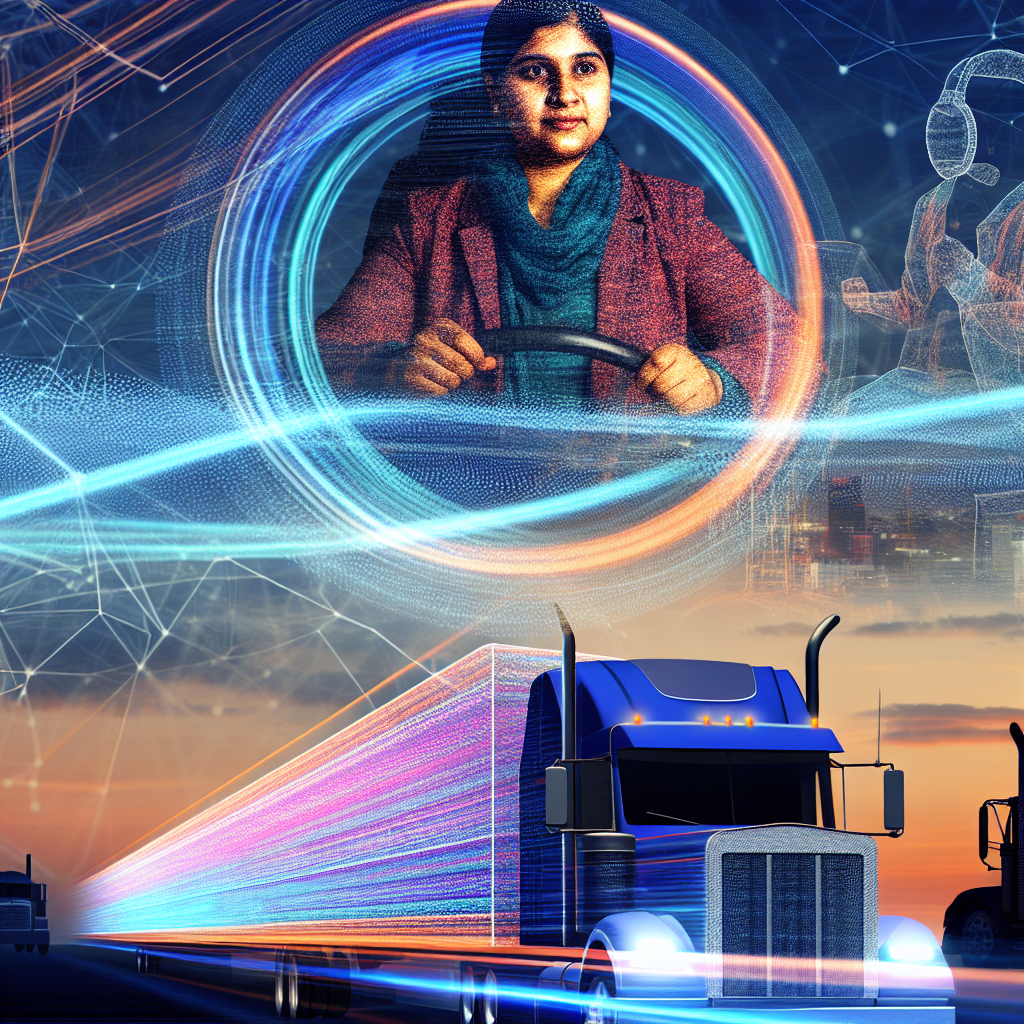
One of the biggest changes in trucking is the rise of automation. Companies are investing heavily in autonomous vehicle technology, which isn’t just a futuristic concept but a reality that is being tested and, in some cases, implemented on the roads today. While fully autonomous trucks may still be a few years away, the incremental adoption of driver assistance technologies—such as lane-keeping systems, adaptive cruise control, and collision mitigation systems—has the potential to reshape driving roles significantly.
For new drivers entering the industry, this means a learning curve that includes technology training alongside traditional driving skills. Understanding how to interact with these systems will be crucial for their jobs. Meanwhile, experienced truckers may need to adapt quickly to new technologies, changing the very nature of their daily responsibilities.
Enhanced Communication and Efficiency
Technology is also enhancing communication between truckers, dispatchers, and companies. Mobile applications that allow for real-time tracking and updates mean that drivers are better informed about their routes and any potential obstacles they might face. This level of connectivity improves efficiency and reduces downtime, ultimately benefiting businesses and consumers alike.
Additionally, sophisticated route optimization software ensures that trucks take the most efficient paths, maximizing fuel economy and reducing delivery times. For new drivers, this means they can complete their routes more efficiently, gaining experience at a faster pace. For seasoned drivers, this adjustment can lead to less stress and better management of their schedules.
The Impact on Employment
The looming question remains: How will these advancements affect employment in the trucking industry? There is a common misconception that automation will lead to widespread job losses. While it is true that certain driving tasks may become automated, the industry will still need a human touch.
New Opportunities
As technology evolves, new roles will emerge. For instance, there will be a growing demand for technicians trained in maintaining and repairing automated trucks, as well as systems engineers who can design and update these technologies. Moreover, data analysts who can sift through the information generated by various systems will be essential to optimizing operations.
For new drivers, the career path may look different than it did for previous generations. Instead of solely focusing on long-haul, traditional driving techniques, they will need a broader set of skills that encompasses technology and data analytics, making them versatile and valuable to employers.
Emphasizing Homegrown Talent
Another factor shaping the future of trucking jobs is the focus on employing homegrown talent. In recent years, there has been increasing attention on the importance of hiring local drivers. Many companies are actively working to reduce their reliance on foreign truck drivers—supported by arguments of job security for American workers and the opportunity to bolster local economies. This shift not only emphasizes the value of domestic training programs for aspiring truckers but also fosters a sense of community as local drivers connect with their regions.
Conclusion
The trucking industry stands at a crossroads, driven by technology’s rapid evolution. While the changes can seem daunting, they also bring promises of increased safety, efficiency, and new opportunities. For new drivers, the road ahead will involve learning how to harness technology to enhance their capabilities. For experienced truckers, staying relevant will require flexibility and a willingness to embrace new tools.
As we look to the future, it’s essential to remember that while technology will undoubtedly reshape jobs in the trucking industry, it will not eliminate the need for skilled, dedicated drivers. By emphasizing homegrown talent and adapting to technological advancements, the trucking industry can thrive in this new landscape—ensuring that America’s goods continue to move smoothly across the highways we all depend on.
#Driving #Change #Technology #Reshaping #Trucking #Jobs