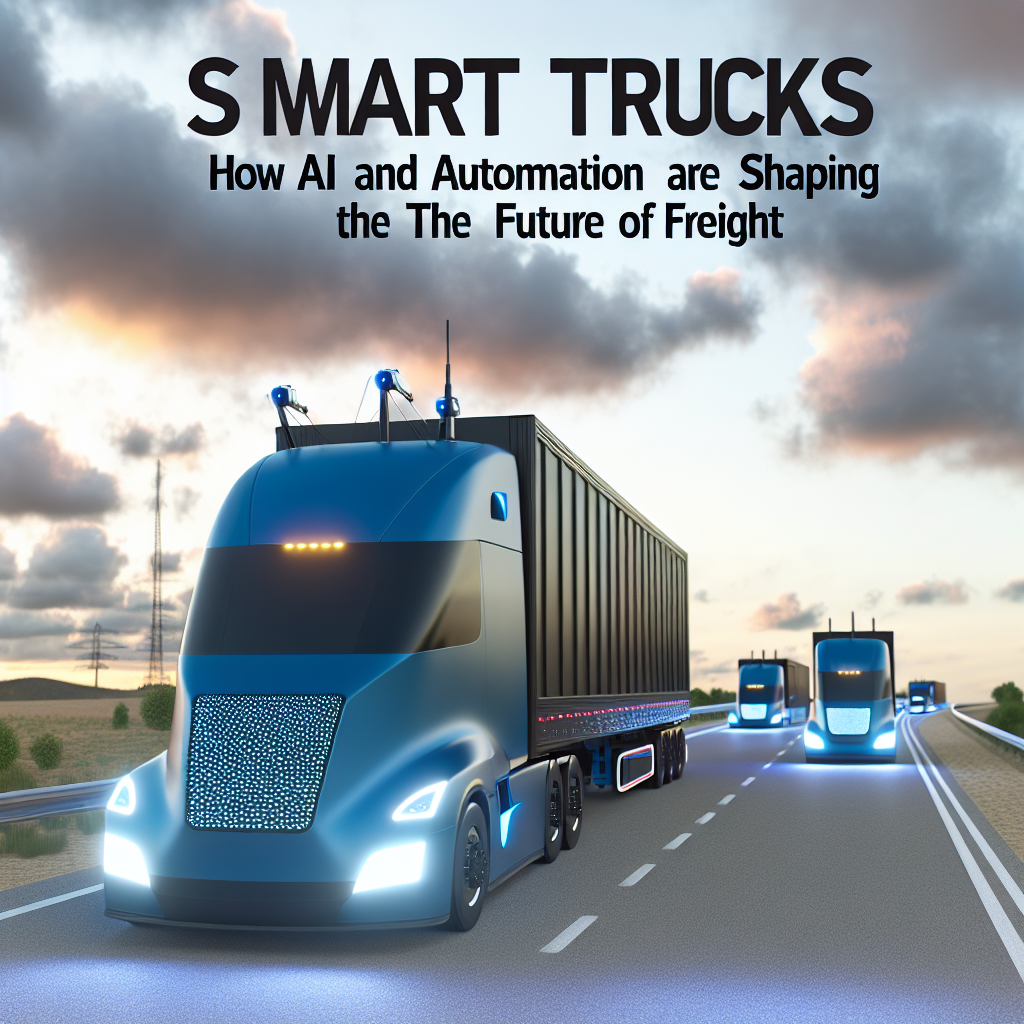
Smart Trucks: How AI and Automation are Shaping the Future of Freight
The trucking industry stands on the brink of a revolution driven by cutting-edge technology. As logistics and freight transportation become increasingly vital in a global economy, the integration of artificial intelligence (AI) and automation is transforming the way goods are transported across vast distances. This transformation not only enhances efficiency and safety but also reshapes the workforce—from new drivers entering the field to seasoned professionals looking to adapt.
The Rise of Smart Trucks
Smart trucks equipped with AI-driven systems are at the forefront of this transformation. These vehicles utilize a combination of sensors, machine learning algorithms, and advanced computing to navigate complex environments, optimize routes, and manage fuel consumption. With the ability to communicate with each other and infrastructure, smart trucks represent a significant leap forward in freight efficiency.
Advantages of Smart Truck Technology
- Enhanced Safety: AI systems can analyze real-time data to predict potential hazards and make split-second decisions to avoid accidents. This technology is particularly beneficial for both new drivers, who may not yet have extensive experience, and seasoned truckers, who can benefit from added layers of safety.
- Increased Efficiency: Smart trucks can optimize routes based on traffic patterns, weather conditions, and load characteristics, leading to reduced travel times and lower fuel costs. This efficiency is crucial in a highly competitive logistics market, allowing companies to better meet customer demands.
- Streamlined Operations: Automation reduces the need for manual checks and paperwork, leading to faster turnaround times at loading docks and increased overall productivity. This ensures that freight can move quickly and efficiently from point A to point B.
Sustainability: Many smart trucks are designed to operate more efficiently than their traditional counterparts, contributing to reduced emissions and a smaller carbon footprint. This focus on sustainability is increasingly important as the industry faces pressure to adopt greener practices.
Modernizing the Workforce
The advent of smart truck technology raises important questions about the future workforce. New drivers will need to adapt to these technological advancements, while experienced truckers will have to embrace a changing landscape. Many trucking companies now prioritize training programs that not only cover traditional driving skills but also include extensive education in technology and data analysis.
Opportunities for New Drivers
For new drivers, investing in tech-savvy training programs opens the door to numerous opportunities. As smart trucks become more prevalent, those entering the field will find themselves in demand for their understanding of advanced systems and their ability to operate these vehicles safely. Moreover, companies are recognizing the importance of a tech-savvy workforce, making this an exciting time for aspiring truck drivers.
Valuing Experience
While the integration of AI and automation may seem daunting for seasoned truckers, it presents a unique opportunity for them to leverage their experience. Those who adapt to technological advancements can enhance their value in the workforce. Experienced drivers are often better equipped to make informed decisions when things go wrong, using their knowledge of the road and common issues that arise during transit.
Navigating Workforce Changes
A key aspect of this unfolding landscape is the reduction of foreign truck drivers in the U.S., which has sparked significant discussion. While the trucking industry has historically relied on foreign drivers to fill labor shortages, recent reforms and policy changes have led to increased opportunities for domestic drivers. This shift allows for more jobs for local drivers and reinforces community engagement in an essential industry.
The focus on homegrown talent ensures that the trucking workforce can be more sustainable and self-reliant in the long run. This is particularly important in a time when companies aim to prioritize local hiring and invest in their communities.
Conclusion
As smart trucks and AI-driven technologies reshape the trucking industry, both new and experienced drivers will have to adapt to this dynamic landscape. The benefits, from enhanced safety to improved operational efficiency, position the industry for a brighter future. By embracing innovation and prioritizing local talent, the trucking sector can not only thrive but also contribute to a more sustainable and efficient global economy.
In a world where technology is ever-advancing, the blend of human experience and automated systems will likely define the road ahead for freight transportation. The future is bright for those willing to evolve alongside it.
#Smart #Trucks #Automation #Shaping #Future #Freight