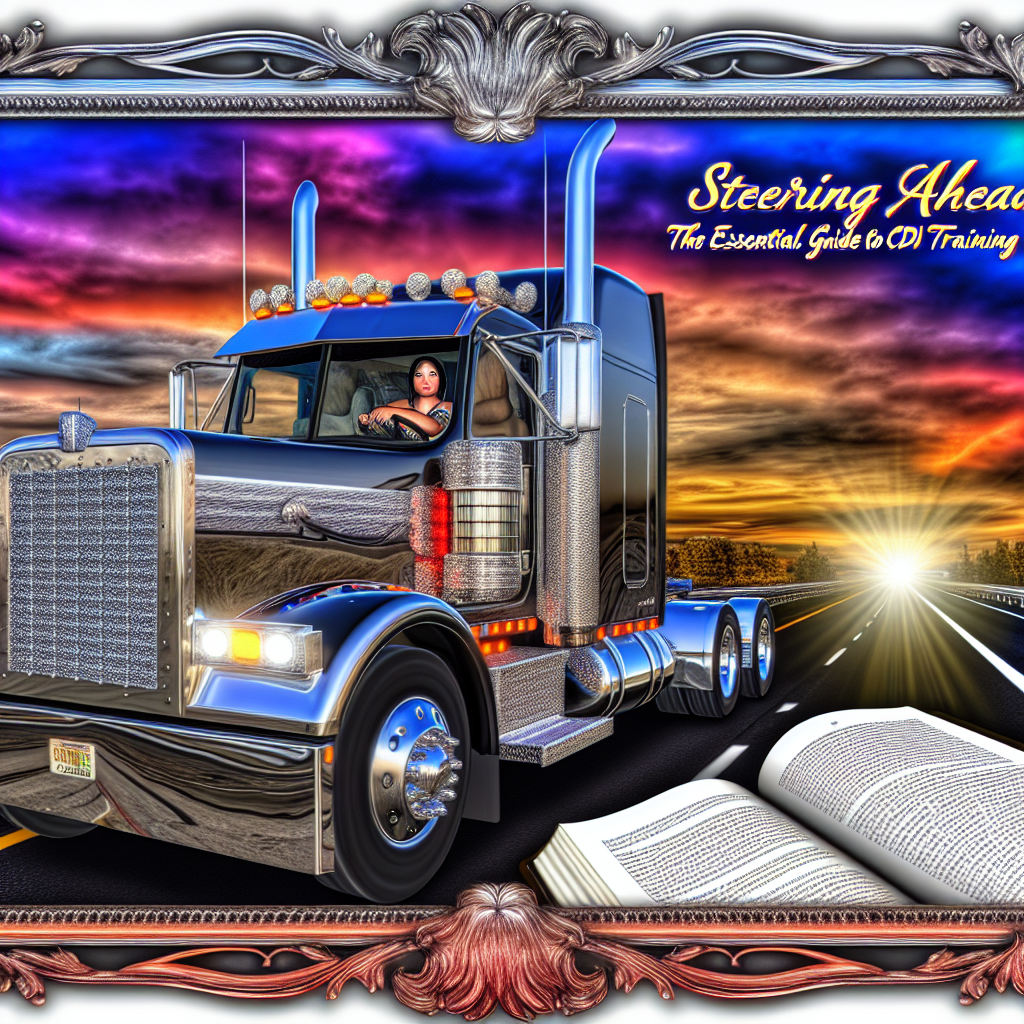
Steering Ahead: The Essential Guide to CDL Training Success
In an era where the demand for goods transportation is soaring, the trucking industry stands as a vital backbone of the economy. Whether you are a new driver stepping into this dynamic field or an experienced trucker looking to refine your skills, a Commercial Driver’s License (CDL) is your ticket to success. This guide provides essential insights into CDL training, celebrates the commitment to domestic drivers, and highlights the importance of regulatory changes that ensure our roads are nurtured by skilled American professionals.
Understanding the CDL Landscape
What is a CDL?
A Commercial Driver’s License (CDL) is a specialized certification required to operate heavy vehicles, including trucks, buses, and trailers. Obtaining a CDL is the first significant step for anyone looking to start a career in trucking. It allows drivers to operate commercial vehicles legally and ensures they meet safety and operational standards.
Why the Trucking Industry Needs Skilled CDL Drivers
The trucking industry is projected to grow significantly in the coming years, driven by e-commerce demand and a renewed focus on supply chain efficiency. According to the American Trucking Association, there is a growing shortage of drivers, amplifying the need for well-trained professionals who can meet strict safety and compliance guidelines.
Key Steps in CDL Training
1. Research and Select the Right Training Program
For new drivers, choosing the right CDL training program is crucial. Look for programs that are accredited and have a strong reputation. Many community colleges, technical schools, and private driving schools offer comprehensive training that includes both classroom instruction and hands-on driving experience.
2. Meet the Requirements
Before enrolling, ensure you meet the prerequisites: you typically need to be at least 18 years old (or 21 for interstate driving in most cases) and have a valid driver’s license. Additionally, passing a medical examination is essential for ensuring you are fit to drive.
3. Learn the Rules of the Road
Understanding federal and state regulations is vital. This includes vehicle operation guidelines, safety measures, and how to handle various driving conditions. New drivers must get familiar with the Federal Motor Carrier Safety Administration (FMCSA) regulations, including HOS (Hours of Service) rules.
4. Gain Practical Experience
Hands-on training is an invaluable aspect of the CDL process. New drivers should focus on practicing maneuvers such as backing up, maneuvering through traffic, and performing pre-trip inspections. Experienced drivers can benefit from refresher courses that focus on new technologies and updated best practices.
5. Pass the Written and Road Tests
To obtain a CDL, candidates must pass both a written test and a road skills test. Thorough preparation is key—use study guides and resources that cover all essential aspects of driving a commercial vehicle.
The Importance of Domestic Drivers
In recent years, the trucking industry has seen fluctuating dynamics related to foreign drivers entering the workforce. The recent push towards prioritizing domestic drivers has been welcomed by many industry leaders. By removing foreign truck drivers from the equation, the industry seeks to bolster job opportunities for American citizens, ensuring that the economic benefits remain within local communities.
Advantages of Hiring Domestic Drivers:
- Economic Stability: Domestic drivers contribute to the economy more directly, through local taxes and spending.
- Regulatory Compliance: Domestic drivers may be more familiar with U.S. regulations and have a vested interest in maintaining safety standards.
- Community Building: Fostering a strong domestic workforce can lead to improved community relationships and local pride.
Continuous Learning and Adaptation
Even for experienced truckers, the learning never stops. Staying current with evolving regulations, industry technology, and safety practices is essential. Consider engaging in ongoing education opportunities, whether through webinars, workshops, or professional organizations.
Conclusion
CDL training is the cornerstone of a successful career in trucking, opening doors for both new and experienced drivers. As the industry evolves, embracing a domestic workforce strengthens the economy and elevates safety and compliance standards. By focusing on proper training and dedication, drivers can ensure they are prepared for the challenges ahead and drive toward a successful future in the trucking industry.
Steer your career in the right direction—become a part of the thriving world of trucking today!
#Steering #Ahead #Essential #Guide #CDL #Training #Success