
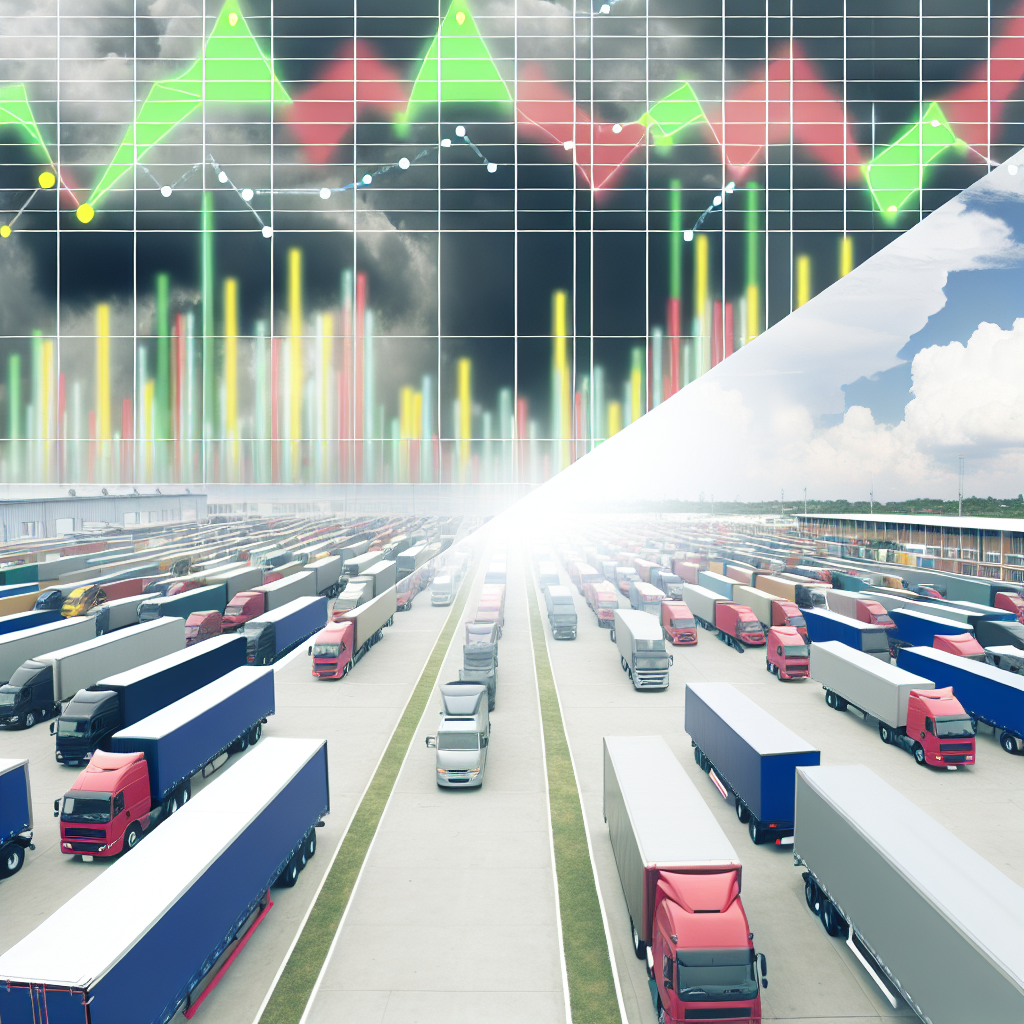
Trucking and the Economy: A Look at Freight Movement Metrics and Forecasts
The trucking industry is the backbone of the American economy, responsible for transporting approximately 71% of all freight tonnage. As e-commerce continues to surge and consumer demand evolves, a closer look at freight movement metrics and forecasts reveals not only the current state of the trucking sector but also its vital role in supporting economic growth.
Current State of Freight Movement
Freight movement metrics, including the Freight Transportation Services Index (TSI) and the Bureau of Transportation Statistics (BTS) data, highlight trends in trucking. The TSI, which reflects month-over-month changes in freight activity, has indicated fluctuating volumes driven by varying consumer demand and disruptions caused by the COVID-19 pandemic. However, the overall trend suggests resilience, as the industry adjusts to new economic realities.
Recent reports show that freight volumes exceeded pre-pandemic levels in many sectors, including retail and manufacturing. This uptick has translated into a growing need for qualified truck drivers.
Growing Demand for Drivers
With rising freight volumes, the trucking industry faces a significant challenge: a driver shortage. According to the American Trucking Associations (ATA), the industry is short around 80,000 drivers, a figure that may swell as retirements outpace new hires. This shortage presents both challenges and opportunities.
For new drivers, this is an opportune time to enter the workforce. Many trucking companies are enhancing their recruitment plans, offering sign-on bonuses, competitive pay, and training programs aimed at ensuring new entrants have the necessary skills and support. The industry is also investing heavily in technology—like automated systems and apps—that streamline operations, making it more appealing for tech-savvy newcomers.
Conversely, experienced truckers are not only in high demand but are increasingly recognized for their invaluable contributions. Many companies are offering incentives, such as flexible schedules and higher wages, to retain seasoned drivers. The expertise they bring is crucial in navigating complex logistics and ensuring safety on the road.
The Impact of Removing Foreign Truck Drivers
Amid the driver shortage, discussions have surfaced about the role of foreign truck drivers. Some regions have seen a policy shift toward removing reliance on foreign labor to prioritize domestic drivers. Advocates of this shift emphasize the importance of investing in homegrown talent, fostering job creation for American workers. By prioritizing domestic drivers, the industry can contribute to local economies and improve job security for American truckers.
This change in policy aligns with a broader movement toward supporting local economies while addressing concerns about the adequacy of foreign drivers’ qualifications and compliance with safety regulations. By streamlining the workforce to prioritize local drivers, the trucking industry can enhance safety, reliability, and performance—all critical components in a thriving economy.
Future Forecasts
Looking ahead, several factors are expected to shape the trucking industry’s trajectory. Economic indicators, including GDP growth and consumer spending patterns, will continue to influence freight movement. The ongoing evolution of e-commerce promises sustained demand for trucking services as customers expect faster delivery times and a wider variety of goods.
Additionally, advancements in technology, such as electric vehicles (EVs) and autonomous trucks, are likely to influence the industry dramatically. These innovations can reduce operating costs and improve sustainability, appealing to a market increasingly focused on environmental impact.
Furthermore, the industry’s proactive approach to addressing its driver shortage through training programs, competitive wages, and improved working conditions will be critical in maintaining its pivotal role in the economy.
Conclusion
The trucking industry remains integral to economic development and stability. As the sector adapts to changing demands and works to overcome challenges like driver shortages, its impact on freight movement metrics will be significant. By investing in the next generation of American truck drivers and streamlining the workforce to prioritize domestic talent, the industry can continue to thrive and support the nation’s economy effectively.
In the coming years, the trucking industry’s ability to navigate these changes will be essential not just for its drivers but for the broader economy, ensuring that goods continue to move efficiently across the nation.
#Trucking #Economy #Freight #Movement #Metrics #Forecasts